The EU textiles strategy helps lingerie importers understand policy direction. However, it is not a single certificate or a ready-made checklist for every shipment. Buyers should connect each decision to the applicable rule and product scope. This guide turns broad policy themes into practical questions for sourcing and quality teams.
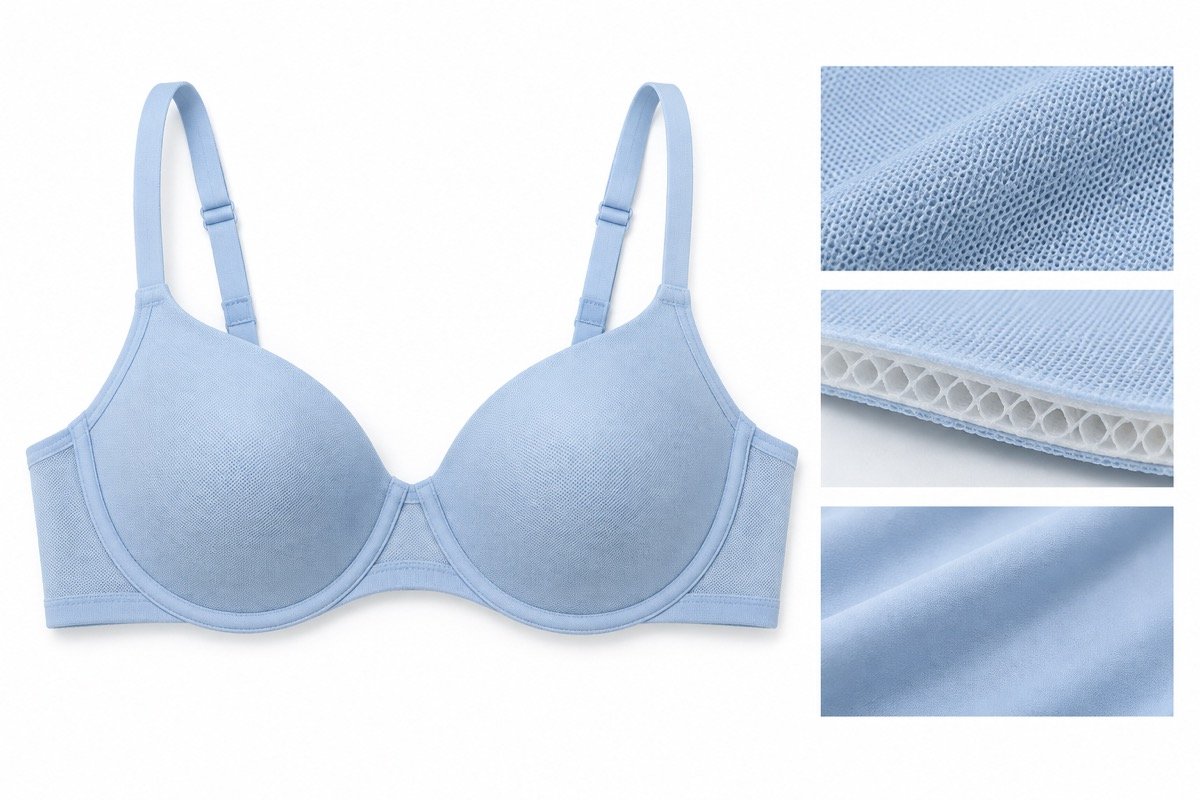
Separate EU textiles strategy from binding rules
The European Commission strategy addresses durable and circular textiles through several actions. These include ecodesign, product information and waste-related measures. Its long-term vision does not mean that every proposed requirement already applies to every lingerie item.
First, identify where you sell and which business role you hold. Then ask a qualified adviser to confirm applicable duties and dates. Record the official source. Review this register when the product, market or law changes.
Ask suppliers for specific evidence
| Topic | Buyer question | Useful record |
|---|---|---|
| Composition | What is each main component? | Versioned material list |
| Durability | Which method and sample support the claim? | Relevant test report |
| Environmental wording | What exactly does the claim cover? | Evidence and approval note |
For example, a fabric certificate may not cover elastic, foam or the finished garment. Therefore, keep the scope visible in your records. Avoid describing the whole product as certified when the evidence covers only one input.
Make changes traceable during sourcing
Assign one material code to each approved fabric and trim. Next, connect samples, quotations and production records to those codes. Ask suppliers to disclose substitutions before production. A change in lining or finish can affect care, comfort and the evidence behind a claim.
Also give marketing staff a short approved-claims sheet. It should show allowed wording, limitations and the supporting file. Review that sheet alongside the sample approval checklist, rather than after packaging has been printed.
Review the EU textiles strategy in stages
Begin with your current bestselling styles instead of rebuilding the entire catalogue at once. Identify missing records, assign owners and agree review dates. Then extend the process to new collections. This approach keeps preparation proportionate while avoiding unsupported green claims.
Send CNBRAS your sourcing requirements, including the destination market and requested evidence. Document availability and product feasibility require confirmation. This is general purchasing guidance, not legal advice or proof that a product satisfies EU requirements.