Ready-to-customize lingerie starts from an existing product direction, while full OEM development begins with a more detailed design brief. Choose the route by the changes your range needs, the evidence available and the approvals your team can manage. Neither route removes the need to check fit, materials and samples.
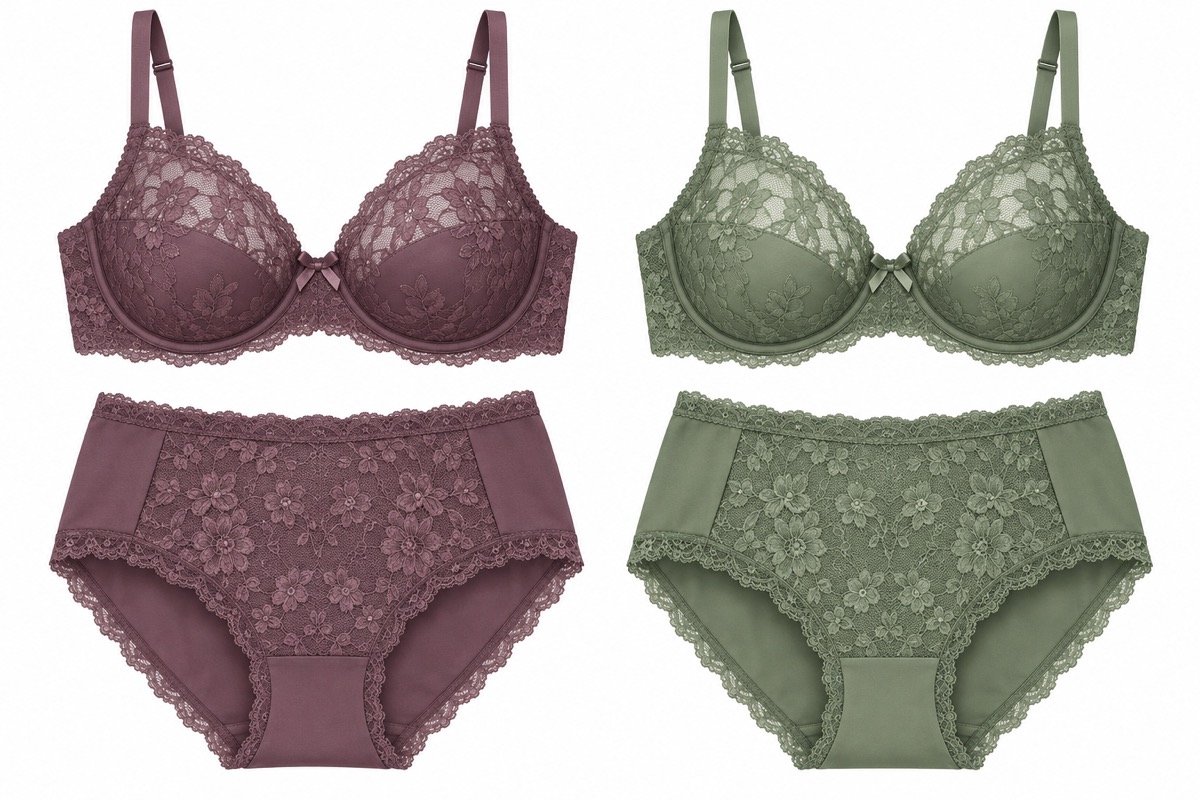
When ready-to-customize lingerie fits the brief
First, ask which parts of the reference style can change. Labels, colors and packaging may be options, but the supplier must confirm each request. A change to cup shape, fabric stretch or closure can affect fit and require further development.
For a focused launch, an existing design direction can reduce open decisions. However, do not assume that a catalog photo proves stock availability or that the style is exclusive to your brand.
Compare ready-to-customize lingerie with full OEM
| Decision | Existing reference route | Full OEM route |
|---|---|---|
| Starting point | Identify the reference style and permitted changes. | Supply an original design brief and construction requirements. |
| Fit approval | Check the base fit and every affected size. | Develop measurements, patterns and size-set approvals. |
| Materials | Confirm available options against the chosen sample. | Define fabric, lining, elastic and trim requirements. |
| Commercial terms | Request quantities and costs for each change. | Separate development costs from production quotations. |
| Design rights | Clarify usage rights and any exclusivity agreement. | Agree ownership and permitted use of artwork and patterns. |
Prepare samples and approval records
Next, list the features that must remain unchanged and those that need revision. Use the private-label development brief as a starting point, then record your target market, size range and quantities by color.
Approve a physical sample before releasing the order. Check cup coverage, strap adjustment, closure access and seam finish. Also compare labels and packaging with the approved artwork. Record sample references and unresolved issues so that both teams use the same version.
Questions to settle before requesting a quote
Is an existing style always faster or cheaper?
No. Material availability, requested changes and approval rounds affect the quotation and schedule. Ask for a project-specific estimate instead of assuming a fixed lead time or minimum order.
Does adding a label make a design exclusive?
No. Confirm design rights and any exclusivity terms separately. Use only artwork and branding that your business owns or has permission to use.
Send a clear sourcing request
Finally, share your reference style, proposed changes, size range, quantities and sample needs through the CNBRAS inquiry form. Specify whether you prefer ready-to-customize lingerie or full OEM development. Feasibility, testing, price, MOQ and timing require confirmation for the specific project.